August 18, 2026
In the aftermath of a vehicle collision, the visible damage often tells only a portion of the story about the actual condition of the car. Hidden damages can lurk beneath the surface, posing serious safety risks and potential long-term issues if left unaddressed. Professional collision services play a critical role in these scenarios, providing expert assessments and repairs to ensure that a vehicle is truly roadworthy post-accident. Many drivers hold misconceptions about vehicle damage, often assuming that superficial evaluations are enough. However, expert inspections reveal intricacies that amateur eyes might miss, stressing the need for professional involvement.
Types of Hidden Damages
Structural damage in a vehicle encompasses the bent or broken parts of the frame, which often aren't visible without thorough inspection. This type of damage can compromise the integrity of a car, affecting its crashworthiness in future incidents. Without proper repair, structural damage can lead to issues such as misaligned panels and an inability to correctly absorb impact shock. Advanced diagnostic tools, used by professional collision services, can effectively uncover structural weaknesses hidden beneath the car's exterior. Failing to address structural damage can incur more severe costs over time, as repairs necessitated by structural failures are often extensive and costly.
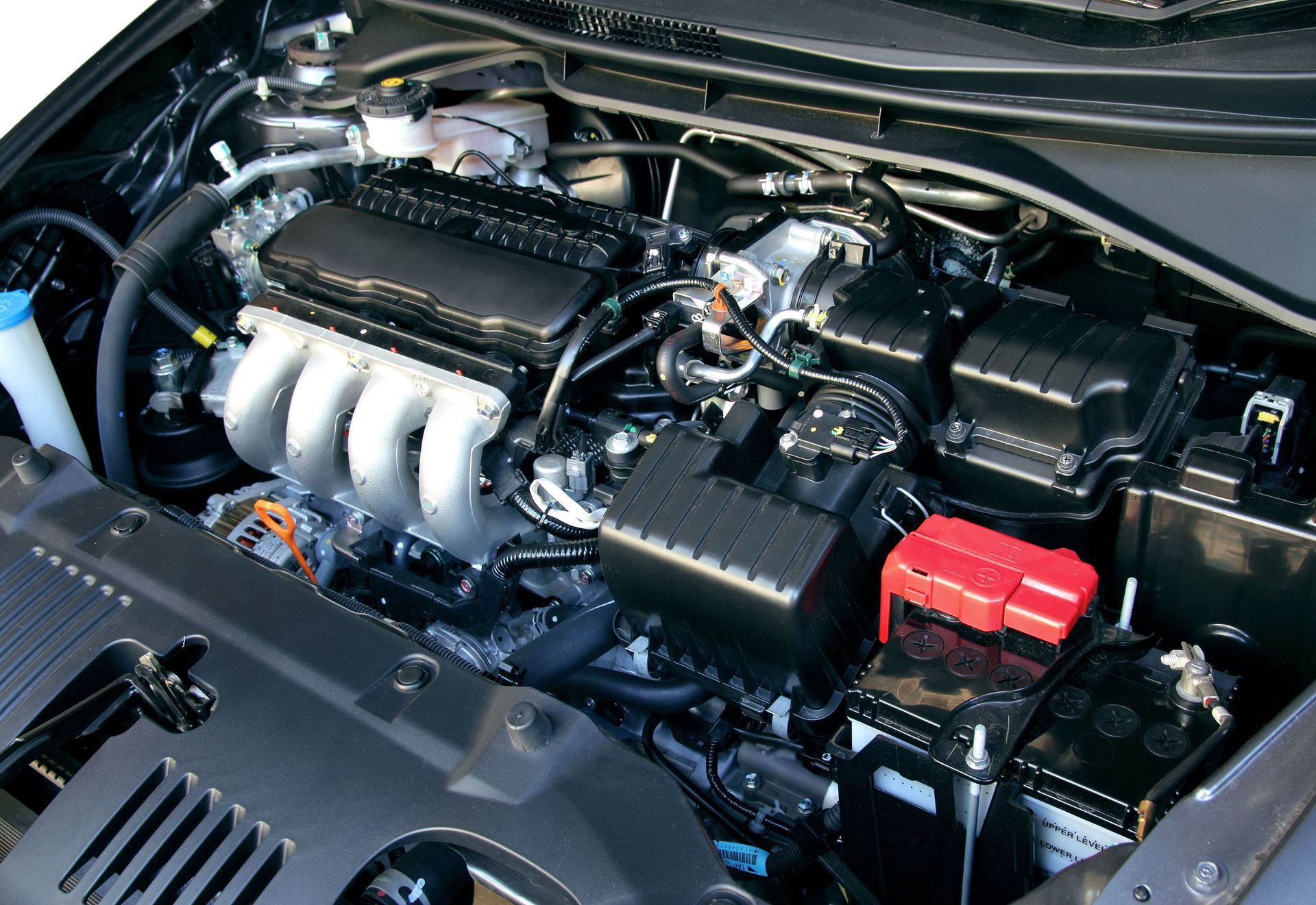
Mechanical damage often remains elusive without a detailed inspection since they do not manifest as visibly as external damage. Such damage may involve components like the transmission, engine mounts, or exhaust systems, which can be misaligned or damaged due to crash forces. Over time, unnoticed mechanical issues can deteriorate, leading to significant vehicle performance issues or complete breakdowns. Professional collision services have the expertise and tools required to perform comprehensive checks for these internal damages, preventing future inconveniences and costly repairs. Timely repairs and interventions by professionals can significantly enhance a vehicle's longevity and performance post-collision.
Electrical system issues following a collision may include damaged wiring, malfunctioning sensors, or compromised safety features. These issues can lead to unpredictable vehicle performance or the failure of critical systems like airbags. Electrical damage is often subtle, escaping detection during simple visual inspections, which underscores the necessity for professional diagnostic equipment. Such tools can identify voltage irregularities or faulty connections that could otherwise go unnoticed. Investing in professional inspections ensures these systems are intact, maintaining vehicle safety and optimal operation post-collision.
The Limitations of DIY Inspections
DIY inspections might be appealing for their cost-effectiveness, yet they lack the precision afforded by specialized equipment available only at professional centers. Modern vehicles are complex, necessitating tools capable of penetrating surface assessments to reveal deeply rooted faults, which average vehicle owners lack. Such equipment identifies issues beyond what can be produced via visual checks or rudimentary instruments. Failing to employ advanced diagnostics can leave latent problems unresolved, incurring long-term repercussions. The absence of cutting-edge tools in DIY setups can mean critical safety and performance issues are overlooked until it’s too late.
Subtle damages following a collision might escape the attention of those performing routine, non-professional checks, but these can accumulate to cause severe vehicle problems. The difference between superficial damage assessments and professional diagnostics can be vast. Experts are trained to identify the smallest discrepancies that could indicate larger underlying problems. A seemingly minor misalignment or unnoticed wiring issue can balloon into a costly repair if not identified early. Harnessing the experience of professional inspectors eliminates the risks associated with unidentified damages, securing both vehicle value and safety.
Overlooking even the smallest post-collision damages can result in significant long-term consequences both in terms of safety and financial costs. Small damages can exacerbate over time, leading to increased wear and affecting the integrity and performance of a vehicle’s critical components. Functional issues not immediately visible might leave vehicle owners vulnerable to sudden mechanical failures. According to Colours, Inc., repairable claims dropped by more than 10% in 2025, while total loss frequency increased to nearly 23% heading into 2026, highlighting the importance of meticulous inspections and timely repairs. Professional evaluations act as a preventative measure, foreclosing the possibility of escalating damages escalating into unmanageable repairs or total vehicle losses.
The Expertise of Professional Collision Services
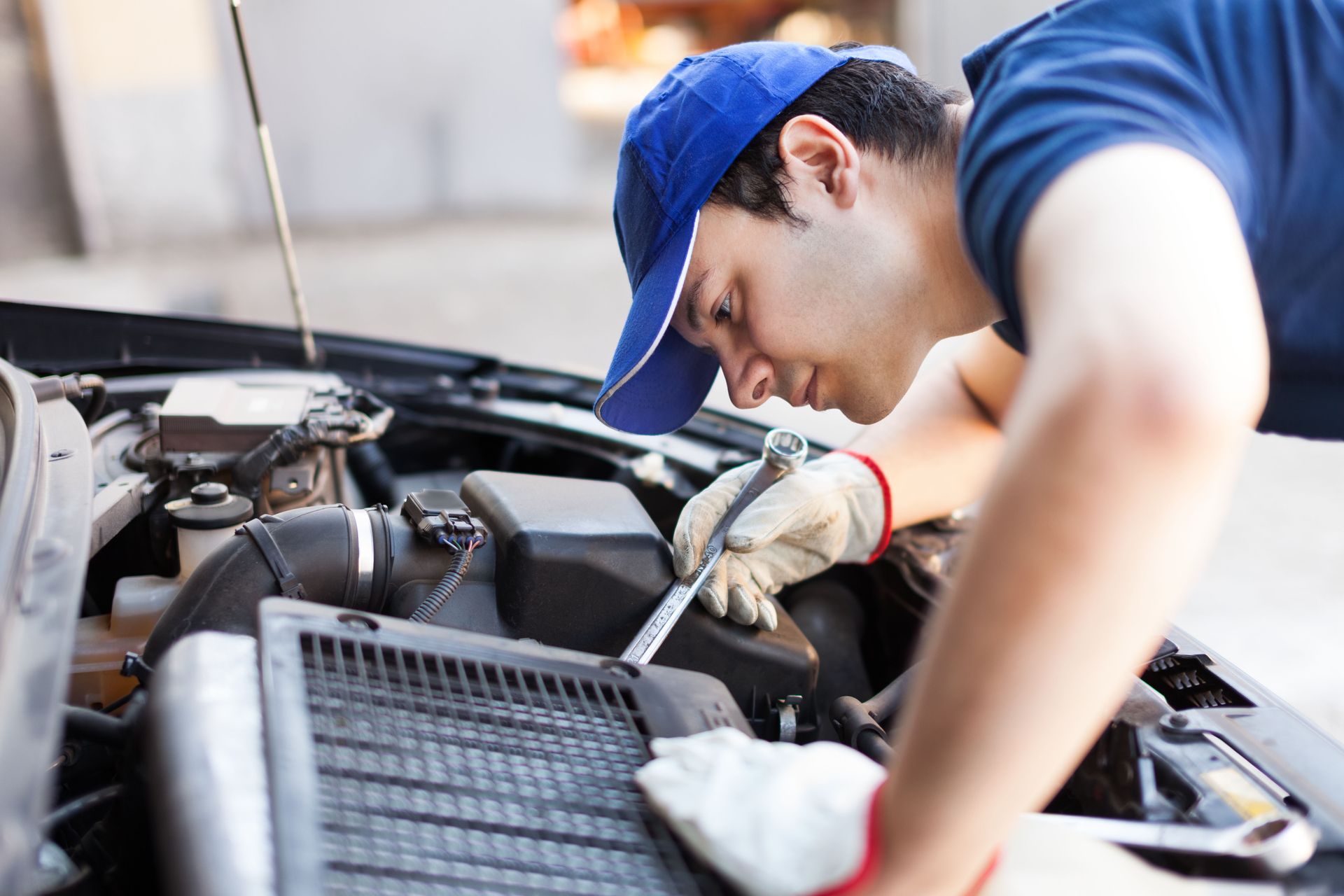
Professional collision services are staffed by trained technicians who possess the expertise necessary to understand and repair complex vehicle systems. These professionals bring invaluable knowledge, enabling them to identify intricate problems that laypeople might miss. Proficient at working with a wide range of vehicle makes and models, these technicians are equipped to handle diverse damage repairs reliably. Ongoing training keeps these experts at the forefront of auto repair technology and methods, ensuring they are adept with the latest diagnostic and repair techniques. Trusting in their skill set, vehicle owners gain assurance that their vehicle is being returned to a high safety and performance standard.
Advanced diagnostic tools used by professional collision services allow for an accurate assessment that delves beyond superficial understandings of vehicle damage. These tools provide a comprehensive check of a vehicle’s electronic systems as well as structural integrity, ensuring no potential issue is left undiagnosed. This accurate insight serves as a foundation for executing precise repair plans tailored to a vehicle’s specific damage profile. The precision and depth of these inspections alleviate concerns about missed or incorrect diagnoses, which can be common with less sophisticated methods. Investing in professional diagnostics thus ensures that vehicle performance and safety are restored comprehensively and efficiently.
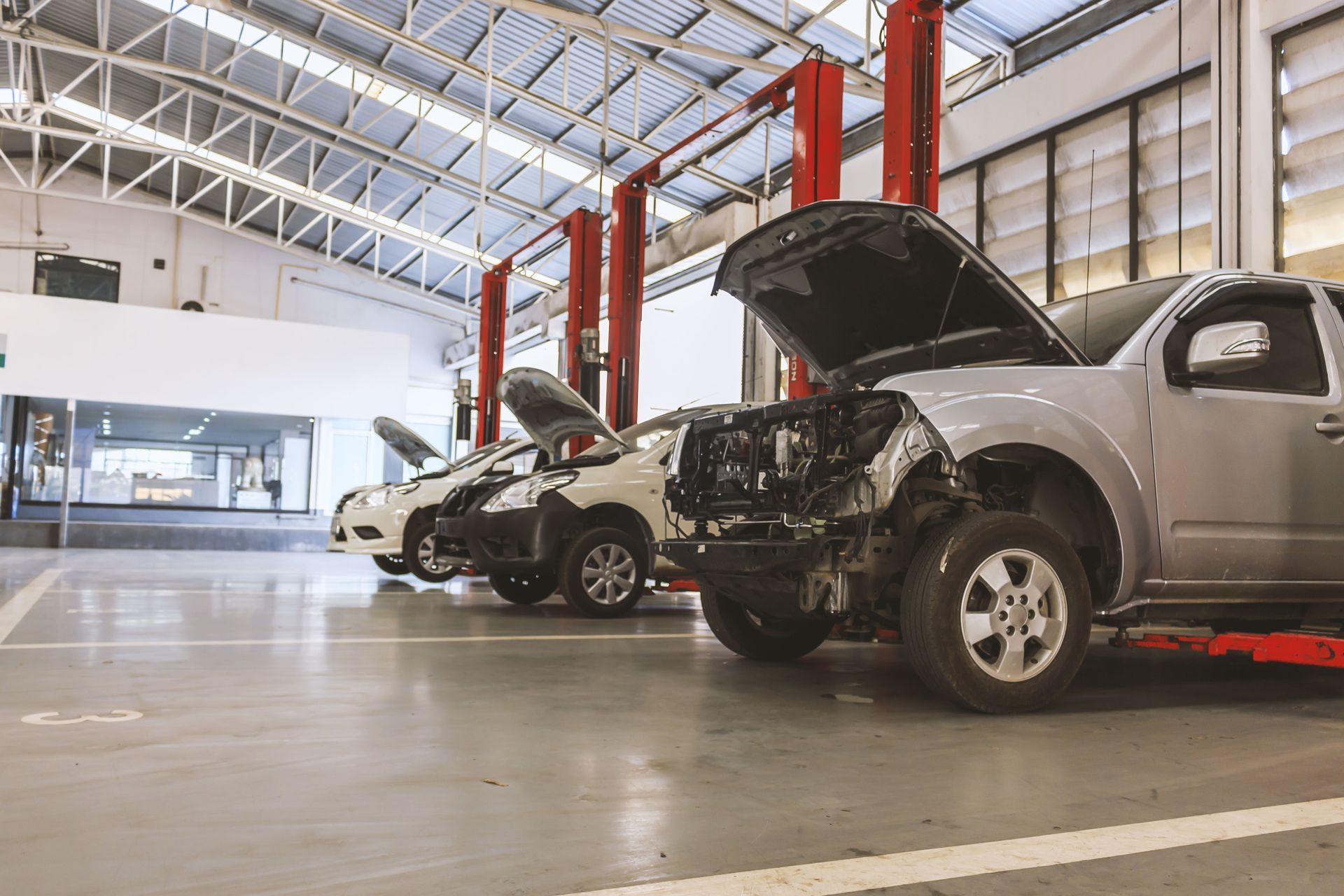
The practice of comprehensive damage assessment is crucial in restoring a vehicle to its pre-accident condition, ensuring it operates at maximum efficiency and safety. At professional repair centers, technicians systematically evaluate every aspect of the vehicle to understand the full scope of damage. This meticulous approach ensures that neither immediate nor potential long-term issues are overlooked. The thoroughness of this process enhances the repair timeline's efficiency, focusing efforts where they are most needed. With this all-encompassing view, repair services can confidently return a vehicle to the owner with the assurance of optimal function and safety.
The Economic Impact of Ignored Hidden Damages
Neglected hidden damages often escalate into more significant issues, culminating in increased repair costs over time. When undetected problems compound, they require more extensive labor and parts replacement, turning minor repairs into major undertakings. Initial cost savings by ignoring thorough inspections result in heavier expenditures down the line as damages spread. Worse, repeated minor complaints can erode the budget faster than addressing the matter professionally right after a collision. When vehicle owners choose professional evaluations from the outset, they manage repair costs more effectively by addressing issues while they remain minor.
Vehicles that carry unresolved collision damages depreciate faster, losing market value and becoming less attractive to potential buyers. Hidden or poorly repaired damages might reflect an unfortunate history, causing prospective purchasers to view the vehicle as a risky investment. Key to maintaining vehicle value is ensuring all repairs are conducted appropriately, restoring structural and mechanical integrity. This perception extends beyond aesthetics and right into safety and performance considerations, impacting resale or trade-in prospects significantly. Investing in certified repair services maintains vehicle value by ensuring it appeals both visually and functionally to future owners.
Failure to address hidden damages promptly and professionally can have detrimental effects on insurance claims and coverage. Insurers can deny coverage or downplay compensation if pre-existing damage, unnoticed from poor inspections, contributes to later claim incidents. Demonstrating thorough repairs and inspections is often essential to secure full coverage or settlement responses from insurers. Documentation from certified repairs holds greater weight than DIY efforts, where credibility and accuracy may be in question. Consequently, professional service reports are invaluable in negotiating fair settlements, ensuring insurance acts as intended without dispute.
A thorough inspection after a collision can make the difference between a vehicle that only looks repaired and one that is genuinely safe to drive. Addressing hidden structural, mechanical, and electrical damage early can help prevent larger repair costs, protect the vehicle's value, and reduce potential safety concerns. By relying on professional collision services for a complete assessment and proper repairs, vehicle owners can move forward with greater confidence in their vehicle's condition. Contact First Class Auto Body to get more info from a professional
collision service you can rely on.